

Written by Caroline Smith - Continence and Pelvic Health Physiotherapist
Many people associate Movember with mental health support, but it also raises awareness of prostate cancer.
Prostate Cancer and Life After Treatment
Prostate cancer is Australia’s most commonly diagnosed cancer, excluding common non-melanoma skin cancers. Encouragingly, its five-year relative survival rate is approximately 96%, based on 2017–2021 data.
However, treatment can bring challenges that affect bladder control and quality of life.

Supporting Bladder Control and Recovery
Urinary leakage is common after prostate surgery, particularly during early recovery, and usually improves over time.
Persistent leakage is less common after radiotherapy, although urgency and frequency can occur.
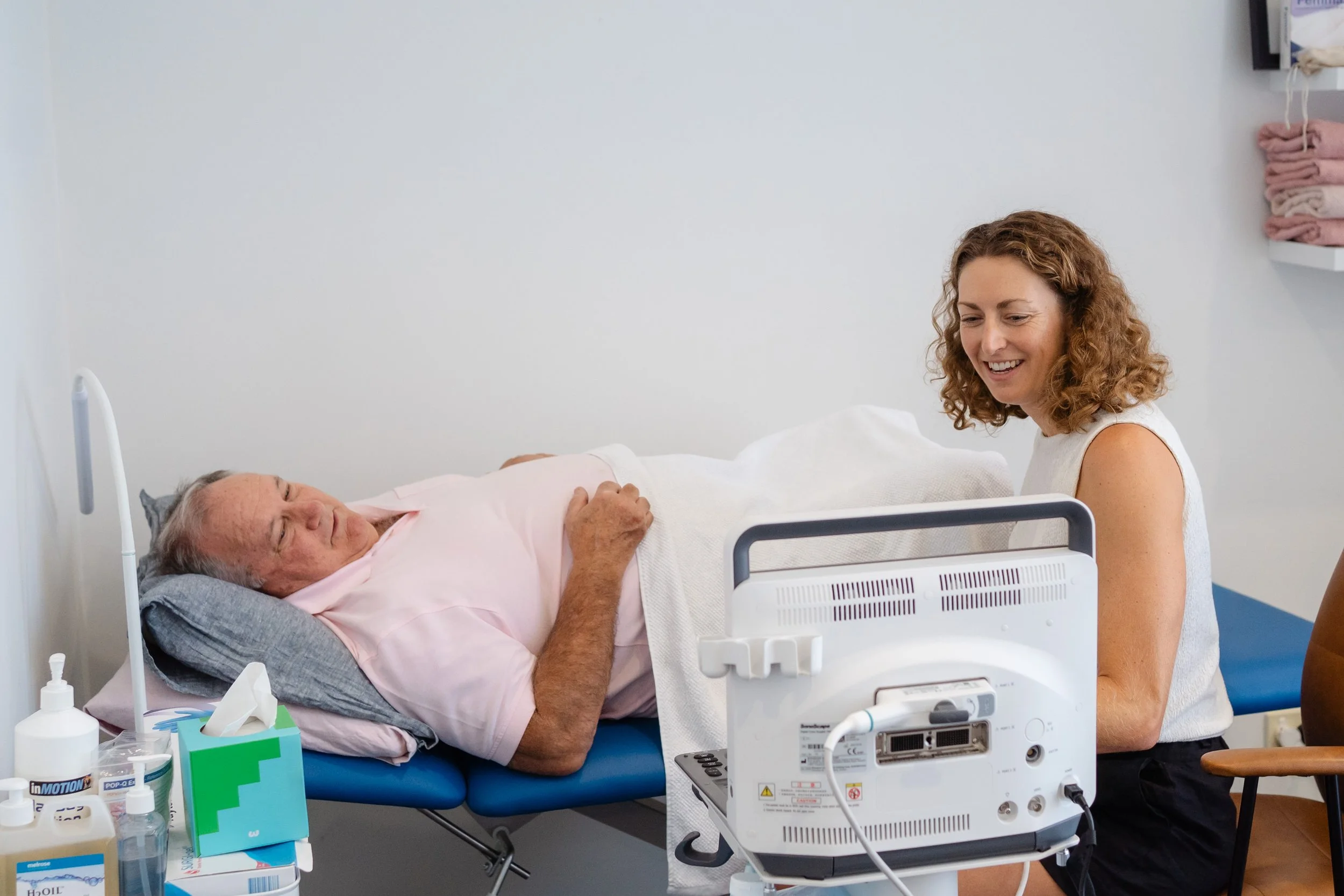
Pelvic physiotherapy offers individualised pelvic floor training and bladder advice before and after treatment to help manage bladder-control problems and support recovery.
This Movember, Start the chat
Talk with your GP about persistent bladder changes, your personal risk, and prostate testing.
If you’re already navigating a prostate cancer diagnosis, book with our Mens Health Physiotherapists (Caroline & Steph) to have a pre-op assessment.